
Pairing in ABA Therapy: How Chicago Therapists Build Rapport Before Teaching Begins
Recent CDC prevalence data show that about one in 31 children in the United States now has autism.…



Get in touch with Cara
Cara Lucas, MS, BCBA, serves as Director of Applied Behavior Analysis at Chicago Pediatric Therapy & Wellness Center, where she has built and led a comprehensive ABA program since 2018. With over seven years of clinical leadership and 13+ years of experience in the field, Cara combines clinical expertise, staff development, and genuine family partnership to create an ABA program that prioritizes meaningful growth and joy alongside evidence-based outcomes. Cara's educational journey began at Butler University, where she earned a Bachelor of Arts in Psychology in 2012. This foundation in human behavior, development, and research methods prepared her for specialized training in applied behavior analysis. She continued at Southern Illinois University, earning a Master's degree in Rehabilitation and Behavior Analysis in 2017, followed by supervised fieldwork hours and successful completion of the Board Certified Behavior Analyst (BCBA) examination. In her role as ABA Clinical Director, Cara manages multiple critical functions: program development and quality assurance, direct supervision of BCBAs and Registered Behavior Technicians (RBTs), family consultation and parent training, interdisciplinary collaboration with speech, occupational, and physical therapists, and staff development and clinical mentorship. Her leadership philosophy centers on compassionate, customized, and collaborative support—she believes that effective ABA helps children grow with joy, purpose, and connection rather than focusing narrowly on behavior reduction. Cara has developed specialized expertise in two complementary areas. First, she champions Organizational Behavior Management (OBM) strategies—applying behavior analysis principles to organizational systems to enhance staff performance, improve clinical effectiveness, and support team member well-being. Second, she is passionate about Acceptance and Commitment Therapy (ACT), an evidence-based approach that fosters psychological flexibility, values-aligned behavior, and meaningful change. Her ACT training informs both her clinical work with children and her coaching approach with families. Cara provides services to individuals ages 2 through 21, with strong emphasis on developmental appropriateness. She recognizes that effective interventions look different at age 3 versus age 13 versus age 19, and she tailors her approach accordingly. Cara values collaborative partnerships with parents and caregivers, offering training and support that empowers families and ensures skills generalize across home, school, and community settings. Her vision for ABA is one where every child's unique strengths are celebrated and every family feels supported on their journey.
Read Less →About one in 31 children in the United States has autism, according to the 2025 autism prevalence report from the Centers for Disease Control and Prevention (CDC). Screening can start as early as 18 months. Maybe a well-child visit raised a flag or a teacher sent a note home. Either way, you’re asking the right question at the right time. This guide walks through a pediatric autism evaluation in Chicago step by step: who can diagnose your child, and what to do once you have the results.
A diagnosis opens the door to therapy and school services. Many families start with pediatric therapy services that address speech, motor, and daily-living skills. Others move toward ABA therapy in Chicago once a diagnosis is confirmed.
A pediatric autism evaluation includes a quick screening and a full diagnostic assessment. Your pediatrician can screen at regular checkups. The American Academy of Pediatrics recommends autism-specific screening at the 18-month and 24-month visits. Screenings flag possible concerns, whereas comprehensive evaluations confirm the diagnosis.
The comprehensive evaluation looks at your child’s development from every angle, including home, school, and daily routines. A clinician plays with your child and asks what you’ve noticed at home. The ADOS-2 guides the play-based observation. In some evaluations, an in-depth interview with you, the ADI-R, gathers your child’s developmental history. Many evaluations also assess cognitive and daily-living skills.
A developmental pediatrician or child psychologist usually leads the evaluation, working alongside other specialists as needed. Speech-language pathologists and occupational therapists sometimes take part. There is no blood test for autism. The diagnosis rests on developmental history and careful observation.
Expect one or more visits before the final diagnosis. You should bring the following to your appointment:
Waitlists across the Chicago area can run long. Ask about timelines when you call, and confirm what each program includes.
An official autism diagnosis comes from a qualified medical professional, including a developmental pediatrician, child psychologist, psychiatrist, or neurologist. These clinicians compare what they observe against established diagnostic criteria, combining developmental history and direct observation into a clear diagnosis.
As a parent, you might find it confusing to sort out who does what. Board-certified behavior analysts (BCBAs) and the ABA therapists they supervise don’t diagnose autism. Instead, BCBAs perform assessments to build a treatment plan once a diagnosis is in place.
Illinois recently passed a law allowing specially trained speech-language pathologists to diagnose autism spectrum disorder in children under three who are already enrolled in the Illinois Early Intervention Program (EIP). The law was signed in July 2026 and takes effect January 1, 2028, once the state finalizes training and credentialing requirements.
Chicago offers several ways to get an autism evaluation. The best route depends on your child’s age and your family’s needs. Your child’s pediatrician is a great place to start. Pediatricians screen at well visits and can refer you to a diagnostic specialist when the signs point that way.
Illinois Early Intervention offers a developmental evaluation and early services at no cost for children under three. You don’t need a referral, and you can book the appointment yourself. Call your local Child and Family Connections office to request a developmental evaluation. If your child qualifies, the team builds an Individualized Family Service Plan that outlines your child’s services.
Chicago has several hospital and academic developmental centers, among them:
Each of these runs its own assessment programs, and these are options to consider rather than endorsements.
For children age three and older, your public school district provides an educational evaluation that can inform an IEP. A school evaluation serves a different purpose from a medical diagnosis, so treat the two as separate steps.
A few practical notes make the process smoother. Check insurance and in-network status before you book. Ask about waitlists and request written results you can share with any therapy team later.
The first few days after a diagnosis can feel overwhelming. Give yourself time to process the news. Autism Speaks publishes 100 Day Kits that walk families through those first weeks, including processing the news and lining up services, one for young children and one for school-age children. That diagnosis is what makes this support available to your family.
Two support systems come next, depending on age. Early Intervention serves children under three, while an IEP or 504 plan supports school-age children in the classroom. Several therapies often follow a diagnosis:
Support needs vary widely from child to child, as different levels of autism exist. Your child’s report will name the levels and areas that need the most help.
Once your child has a diagnosis, Chicago Pediatric Therapy & Wellness Center helps with the therapy that comes next. The team provides physical therapy, occupational therapy, speech therapy, teletherapy, ABA therapy, and social work under one roof. Clinicians help you build a personalized plan together.
The clinic is in Bucktown and welcomes families from Lincoln Park, Lakeview, Wicker Park, and neighborhoods across Chicago. It’s in-network with many insurance plans, and its therapists hold Illinois Early Intervention registration. Families with young children can find comprehensive care in one place. The center doesn’t run evaluations and won’t provide a diagnosis.
If your child recently received a diagnosis, the care team is ready to build a therapy plan around your child’s needs and your family’s goals. Ask about scheduling on your first call. Many families want speech and occupational therapy on the same afternoon, and one location makes that easier.
The team can also coordinate with your child’s school and the clinician who evaluated them, so the plan matches what the report recommends.
Parents looking into evaluation ask these questions most often.
A pediatric autism evaluation in Chicago combines an interview with you and hands-on time with your child. You share your child’s history and behavior while a specialist observes how your child plays and communicates. The result is a written report that confirms a diagnosis or points to next steps, sometimes across more than one visit.
The American Academy of Pediatrics recommends autism-specific screening at 18 and 24 months, but there is no minimum age if you or your pediatrician have concerns. A full evaluation follows when a screening raises a concern or when you request one.
Some providers go through busy seasons, which might create waitlists. These busy seasons can last for several months, so add your child to more than one waitlist. Ask about a cancellation list, too, because those slots open with little notice. Illinois recently passed a law aimed at easing this backlog that lets specially trained speech-language pathologists diagnose autism in young children enrolled in Early Intervention. It takes effect January 1, 2028, so it won’t shorten today’s wait, but it should help going forward.
Illinois law requires many state-regulated insurance plans to cover autism diagnosis and treatment for people under 21, though self-funded employer plans aren’t required to follow this rule. You’ll still need to confirm your specific plan’s coverage and any out-of-pocket costs with the provider before booking.
You might need a referral from your pediatrician if your insurance requires it. Illinois Early Intervention accepts a referral from anyone, even from you as the parent. Check your insurance rules and the provider’s intake process.
BCBAs don’t diagnose autism. A developmental pediatrician, child psychologist, psychiatrist, or neurologist makes the diagnosis. Illinois has also passed a law that will allow specially trained speech-language pathologists to diagnose autism in children under three enrolled in Illinois Early Intervention. But this won’t take effect for a couple of years.
Testing for autism is more than a single test; it relies on a combination of history and observation. One method is the ADOS-2, a play-based observation. Another is the ADI-R, a structured, in-depth parent interview.
A medical diagnosis determines whether your child has autism. The school evaluation decides whether your child qualifies for classroom support such as an IEP. It’s possible that your child can have one without the other.
Chicago Pediatric Therapy & Wellness Center doesn’t perform autism evaluations or assessments. The center also can’t provide a diagnosis, as these are done by qualified professionals. Instead, the team provides therapy after the qualified professional makes the diagnosis. The center can support your child once you have a confirmed diagnosis.
Look into therapies such as:
Many children benefit from a mix of these services, and the right combination depends on your child’s unique strengths and needs. A collaborative care team helps your child receive consistent, coordinated support.
Knowing how a pediatric autism evaluation in Chicago works can take some of the weight off. The sooner you have an answer, the sooner the therapy and school support start. Thousands of Chicago and Illinois families have walked this path. The same support is within your reach. Three things are worth holding on to:
A pediatric autism evaluation in Chicago answers the question. Therapy is what turns that answer into progress. Chicago Pediatric Therapy & Wellness Center brings speech, motor, behavior, and social work support together in Bucktown. Talk to the team about a therapy consultation, and bring your evaluation report along.
Take the first step towards supporting your child's development.
Cara Lucas

 Nathalie Deutsch

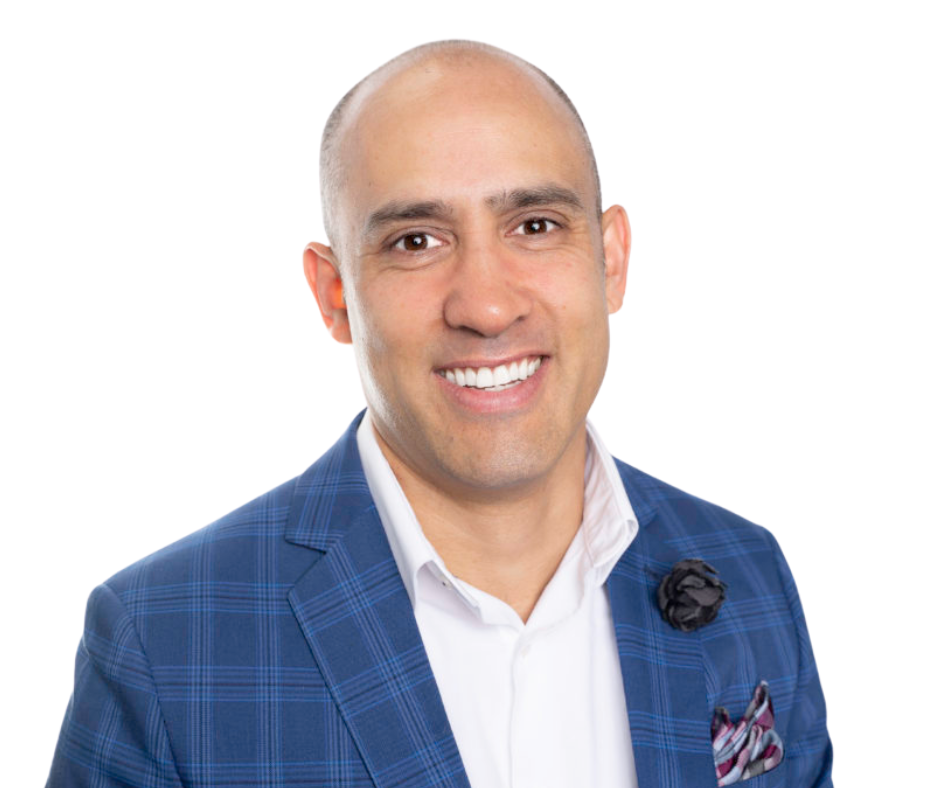 Patrick McLean
Owner
Patrick McLean
Owner
Our expert team is here to help. Schedule a consultation today.