
What a Pediatric Autism Evaluation in Chicago Involves, and What Happens After Diagnosis
About one in 31 children in the United States has autism, according to the 2025 autism prevalence report…



Get in touch with Rose
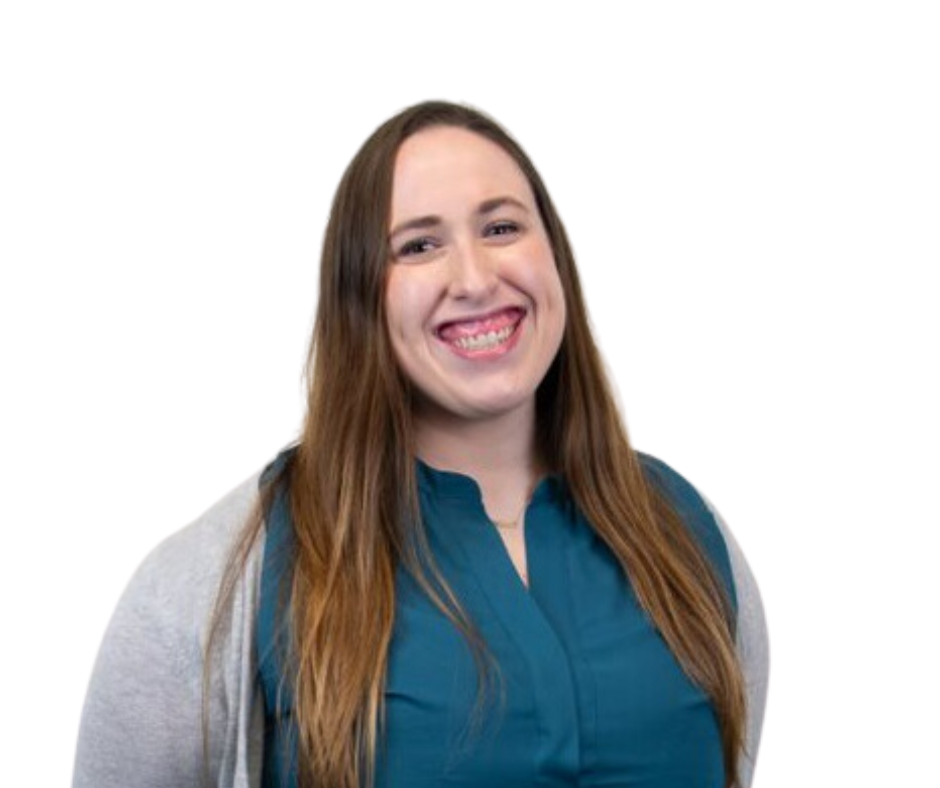
Rose McLean, PT, DPT, c/NDT, is co-owner and lead physical therapist at Chicago Pediatric Therapy & Wellness Center, where she has dedicated over 20 years to helping children with developmental challenges achieve their movement goals. Rose's specialized focus on pediatric physical therapy, combined with her commitment to multidisciplinary collaboration, has made her a trusted resource for families navigating motor delays, neurological conditions, and complex developmental needs throughout Chicago. Rose earned her Doctorate in Physical Therapy from Northwestern University in Chicago in 2004, where she received rigorous training in both pediatric and neurological rehabilitation. She began her clinical career at Cincinnati Children's Hospital, consistently ranked among America's top pediatric medical centers, where she gained invaluable experience treating children with diverse and medically complex conditions. This foundation shaped her evidence-based, child-centered approach to therapy. Beyond her doctoral training, Rose holds certification in Neurodevelopmental Treatment (NDT), a specialized intervention approach for children with cerebral palsy, neurological impairments, and other developmental disorders. She also maintains registration with Illinois' Early Intervention Program, allowing her to provide services to infants and toddlers (birth to age 3) in both home and clinic settings. Rose's therapeutic style is distinctively playful and highly individualized. She invests time in understanding each child's personality, interests, and motivators, then designs sessions that feel like play while targeting specific developmental goals. Whether working on strength, balance, coordination, or motor planning, Rose ensures therapy remains engaging and appropriately challenging. In 2014, Rose partnered with her husband Patrick to establish Chicago Pediatric Therapy & Wellness Center, driven by a vision that pediatric therapy should be comprehensive, collaborative, and convenient. She wanted to eliminate the fragmentation families often experience when their child needs multiple therapies—instead offering coordinated care where physical therapists, occupational therapists, speech-language pathologists, behavior analysts, and social workers communicate regularly about each child's progress. Rose also prioritized creating community spaces where families can connect and children can learn social skills alongside therapeutic development.
Read Less →A 2025 CDC report, Data and Statistics on Autism Spectrum Disorder, puts autism at about 1 in 31 children aged 8. Applied behavior analysis (ABA) is the first therapy on the plan for most of those families. Cost is the next question. Few clinics that offer ABA therapy in Chicago post their prices, so parents rarely see a number before they call.
This guide walks through the cost of ABA therapy in Illinois. It uses the state’s own published rates. You’ll see those figures and how coverage turns them into a copay and a deductible you can plan around. Many families add other pediatric therapy services in Chicago once a diagnosis is in hand.
Illinois publishes what it pays for ABA, so start there. The state’s Adaptive Behavior Support Services Fee Schedule, updated May 2026, pays $13 per 15-minute unit for one-to-one behavior treatment. That comes to $52 an hour. The daily cap is 32 units, or eight hours at $416.
So how much does ABA therapy cost over a full year? At the state’s rate, a 20-hour week runs a little over $50,000. Private-pay rates vary by clinic. They often sit above what Medicaid pays.
Work with the board-certified behavior analyst (BCBA) rate, too. A program is never all technician time. The same schedule pays $20.39 per 15-minute unit, or $81.56 an hour, when a BCBA changes the treatment plan. Assessment and parent training also bill at that higher rate.
Few Illinois families ever see those totals on a bill. State insurance law and Medicaid cut them down, and between them, they reach most children with an autism diagnosis. How much of the ABA therapy cost you pay in Illinois depends on your coverage. Here’s what the same program costs with and without coverage:
| What You’re Looking At | Without Coverage | With Coverage |
| One hour of one-to-one therapy | $52 at the state rate, more in private pay | A copay or coinsurance for the visit |
| One hour of BCBA time | $81.56 at the state rate | A copay or coinsurance for the visit |
| A 20-hour week for a year | A little over $50,000 | Your deductible, then copays to your out-of-pocket maximum |
| Your worst case for the year | The full program cost | Your out-of-pocket maximum, then nothing |
| What decides the number | The hours your child is prescribed | Network status, deductible, and approved hours |
Most children with an autism diagnosis have coverage. It comes from a private health plan or Illinois Medicaid. Which of those two you have determines what you actually pay.
Illinois law does much of the work here. The state autism insurance mandate is 215 ILCS 5/356z.14. It requires many state-regulated plans to cover autism diagnosis and treatment, including ABA, for anyone under 21, up to a maximum benefit of $36,000 a year with no limit on the number of visits. Ask your plan what your own benefits cover.
ABA therapy cost with insurance comes down to a copay or coinsurance per session. Your deductible applies, too. Your out-of-pocket cap limits the year. Those amounts match what the plan charges for other medical care.
One exception is worth checking. Self-insured employer plans, often called ERISA plans, aren’t bound by the state mandate. ABA benefits on those plans vary. Call the number on your card and ask whether your plan follows the Illinois mandate.
Coverage for the cost of ABA therapy in Illinois starts with a diagnosis. A qualified medical professional makes that call after a full exam, which means a developmental pediatrician, a child psychologist, or a neurologist. A BCBA builds and runs the therapy program and doesn’t diagnose.
Your deductible and out-of-pocket maximum reset every year, and so does your state benefit. A program that starts near the end of your plan year runs into two deductibles instead of one. Ask your plan when its year starts. Medicaid approves hours on its own schedule.
Illinois Medicaid covers ABA therapy, delivered as Adaptive Behavior Support services. Federal law supports this through early and periodic screening, diagnostics, and treatment. States must fund any medically necessary care that corrects or improves a health condition for anyone under 21. It starts with an autism diagnosis and a doctor’s order.
Medicaid now funds more ABA therapy than it used to. A 2026 CMS release, CMS Launches New State Toolkit to Protect Children with Autism, reports 67% growth from 2021 to 2025 in children receiving those services. Federal rules stop short of naming ABA. Medical necessity is what carries a request.
Approval comes first. The Illinois fee schedule requires prior authorization for one-to-one behavior treatment. The state reviews the request and sets the hours it approves.
A child needs a diagnosis and a physician order. With both in place, Medicaid often turns the ABA therapy cost in Illinois into a small balance. The clinic’s billing team handles most of the forms. The rest depends on your deductible and network status.
Two families on the same plan can pay very different amounts for the same program. The gap comes from network status and from how much deductible is left. The hours the plan approves matter most of all. Here’s what to ask about the cost of ABA therapy in Illinois:
Inside a covered program, plans usually pay for the first BCBA assessment and one-to-one sessions with a registered behavior technician (RBT). A BCBA oversees that work and the program. Most plans fund parent training, billed under its own code, too. Session limits vary.
Once a plan approves the program, you pay your copay and whatever deductible is left. ABA therapy cost per hour matters less than the number of hours approved. You can call your plan today and confirm your network status, deductible, and yearly cap. Only the approved hours are still open, and those set the cost of ABA therapy in Illinois for the year.
You can appeal a partial approval or a denial. HealthCare.gov’s guide to internal appeals gives you six months from the denial notice to file. The plan then has 30 days to decide on care you haven’t received yet. Care already delivered gets 60 days, and urgent cases get four business days.
An appeal is stronger with three documents. Ask for these before you file:
Partial approvals are common. A plan may authorize 15 hours a week when the assessment asked for 25. Your clinic files the paperwork, so ask who handles what. Therapy continues at the approved hours while the case is open.
If the appeal succeeds, the plan can pay for the added hours. Payment can reach back to the original request date. That changes the ABA therapy cost in Illinois for the whole plan year.
Chicago Pediatric Therapy & Wellness Center is an in-network provider. That includes Blue Cross Blue Shield, UnitedHealthcare, and Aetna. Coverage keeps growing, so the insurance and payment options page includes the current list of plans. The team can confirm your own plan.
The team runs your benefits before therapy starts and explains any copay then. That copay is your ABA therapy cost in Illinois. It holds for as long as the approval does. You have access to several services under one roof in Lincoln Park:
A child may see two therapists in one building. The two write a single treatment plan together. You give the same history once, and two visits can share one trip. The ABA therapy FAQs cover sessions and what insurance asks for.
Parents most often ask these questions about paying for ABA therapy. These answers give general guidance, and your own plan holds the exact figures.
The cost of ABA therapy in Illinois depends on who pays. Illinois pays $52 an hour for one-to-one therapy under its Medicaid schedule, which is a state rate and not a market price. Private-pay rates vary by clinic and run higher. State-regulated plans and Medicaid both cover ABA for a child with an autism diagnosis, so you owe copays and your deductible.
Illinois law requires many state-regulated health plans to cover autism diagnosis and treatment. That includes ABA for anyone under 21. Self-insured employer plans sit outside that rule. Ask your own plan what it covers and what you’ll owe.
Illinois Medicaid covers ABA as Adaptive Behavior Support services for a child with an autism diagnosis. Federal rules oblige states to fund medically necessary treatment for anyone under 21. Both prior approval and a physician order apply. Ask your clinic to confirm it before sessions begin.
Illinois pays $13 per 15-minute unit for one-to-one behavior treatment, which comes to $52 an hour. BCBA time runs $81.56 an hour. Private clinics set their own rates above those figures. With coverage, you pay a copay or coinsurance per session instead.
Your child’s assessment determines the recommended hours. The Illinois fee schedule allows up to eight hours of one-to-one treatment a day. A BCBA sets the plan, and your health plan or Medicaid approves the hours. Weekly hours drive the cost of ABA therapy in Illinois more than any hourly rate.
A qualified medical professional must diagnose autism before insurance or Medicaid covers ABA therapy. A developmental pediatrician, a child psychologist, or a neurologist makes that call. A BCBA assesses your child to build the therapy plan, but doesn’t diagnose. That exam usually comes before your first request.
Expect a copay or coinsurance per session, along with any deductible you have left, up to your out-of-pocket maximum. In-network status matters more than any other single factor. Once you reach that cap, your plan picks up covered ABA services. That holds for the rest of the plan year.
You have six months from the denial notice to file an internal appeal. The plan must then decide within 30 days for care you haven’t received yet. Ask the BCBA for the assessment data and the physician for a supporting letter. Therapy often continues at the approved level while the appeal runs.
Autism is common enough now that a generation of parents is asking this same cost question. Almost none of them will pay the rate they first find. Between state law, Medicaid, and a published fee schedule, your coverage sets what you owe. The cost of ABA therapy in Illinois is knowable in advance, down to the copay.
Contact Chicago Pediatric Therapy & Wellness Center before you commit to a program. Call, email, or get in touch with our team online, and we’ll run your benefits. You’ll know your ABA therapy cost in Illinois before the first session. The same team then coordinates physical, occupational, speech, and ABA therapy for your child.
Take the first step towards supporting your child's development.
Cara Lucas
 Cara Lucas
 Nathalie Deutsch
Our expert team is here to help. Schedule a consultation today.