
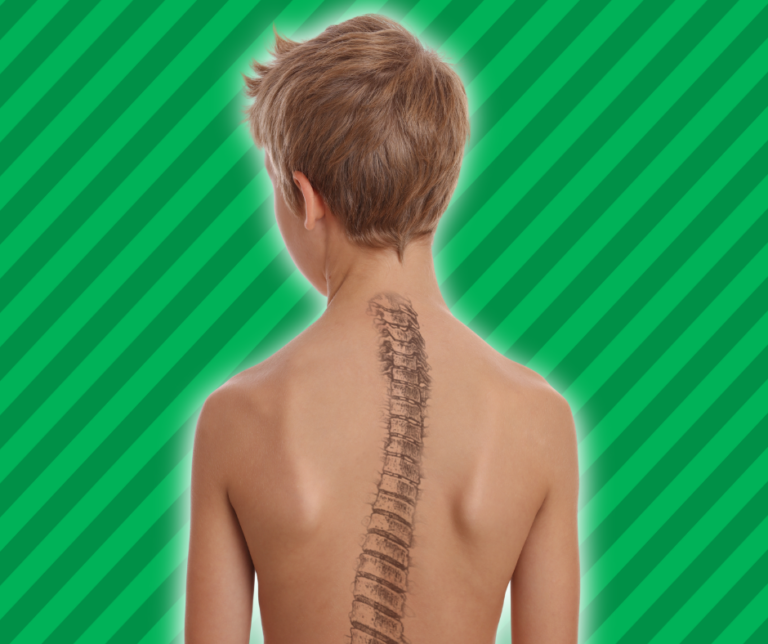
What to Expect in a Schroth Treatment Session for Scoliosis
The Schroth Method is a research-backed, proven treatment to help children, teens, and adults with scoliosis. Schroth Therapy…



Ana Ruiz, MS, BCBA, is a bilingual and bicultural Board Certified Behavior Analyst who brings essential cultural and linguistic expertise to Chicago Pediatric Therapy & Wellness Center. Since joining the clinic in 2021, Ana has served as a vital bridge for Spanish-speaking families seeking high-quality applied behavior analysis services, ensuring that language barriers never stand between children and the care they deserve. Ana earned her Bachelor's degree in Multi-/Interdisciplinary Studies from the University of Texas Rio Grande Valley in 2014. This broad academic foundation exposed her to psychology, education, child development, and social services—providing a well-rounded perspective on supporting children and families from diverse backgrounds. She continued her specialized training at Sage Graduate School, earning a Master of Science in Applied Behavior Analysis in 2016. Following supervised fieldwork hours, Ana successfully passed the BCBA certification examination and has maintained her credentials through ongoing professional development. As an experienced bilingual BCBA, Ana conducts all aspects of ABA service delivery in both English and Spanish, including initial assessments and functional behavior analyses, parent training and caregiver coaching, direct therapy sessions, progress monitoring and data analysis, and collaboration with interdisciplinary team members. Her ability to communicate seamlessly in both languages ensures families receive clear explanations of ABA principles, understand their child's treatment plan, participate fully in goal-setting, and feel genuinely heard and respected throughout the therapeutic process. Beyond language, Ana's bicultural competence is equally important. She possesses deep understanding of both American and Hispanic cultures, allowing her to recognize and honor different family structures, communication styles, childrearing values, and cultural perspectives on disability and intervention. This cultural humility enables Ana to create individualized treatment plans that are not only evidence-based but also culturally relevant—respecting each family's unique context while delivering effective behavior analysis services. Ana is passionate about expanding access to quality ABA services for underserved populations and ensuring that every family, regardless of language or cultural background, receives compassionate, collaborative, and clinically excellent care.
Read Less →If you notice your child flapping their hands when excited, humming the same tune repeatedly, or rocking gently during stressful moments, you might wonder what these behaviors mean. Repetitive actions, known as stimming, are your child’s natural way of navigating a world that can sometimes feel overwhelming.
For many children, especially those with autism or ADHD, these self-stimulatory behaviors aren’t something to worry about. They’re a tool for self-regulation and comfort.
Understanding what stimming is and when behavioral support may be helpful allows parents to respond with confidence and compassion, including knowing when services like Lincoln Park ABA Therapy may be appropriate.
Self-stimulatory behavior, also called stimming, is commonly seen in children with autism spectrum disorders (ASD). Self-stimulatory behavior, often called stimming, refers to repetitive movements or sounds that help children regulate their bodies and emotions.
Many children stim at different points in development, especially during moments of excitement, stress, or sensory overload. We’re also learning that individuals with attention deficit hyperactivity disorder (ADHD) may also show stimming patterns.
Repetitive actions help children self-regulate, enabling them to manage their emotions and actions in various situations with predictable sensory input. Stimming can be beneficial, though it may need additional support when it poses a safety risk to the child, those around them, or if it interferes with daily activities.
Research shows that over 70% of individuals with autism had others tell them not to stim at some point in their lives, and 80% report trying to hide their stims “often or always.” School bullying towards teens with autism is common, leading to masking of stimming and a negative impact on their mental health and stress levels.
There are various types of self-stimulatory behaviors. Before we explore the different types of stimming, it’s helpful to clarify a common question parents ask: Is stimming the same as sensory seeking? While they’re related, they serve different purposes.
Stimming typically starts in the early developmental phase of children, around the age of two. These behaviors sometimes lessen in later years as children learn to communicate or self-regulate in other ways.
Stimming may become more noticeable in certain environments, including:
These repetitive movements help toddlers and children manage discomfort or anxiety. You may find that these behaviors subside in calm and predictable environments. There are different types of stimming in children with autism and ADHD, with some being more prominent than others.
Stimming includes behaviors such as hand-flapping, rocking, spinning, repeating words or sounds (vocal stimming), and using objects repetitively. Here’s a breakdown of the most common types and what they look like in everyday situations:
| Type of Stimming | Description | Behavior | What It Looks Like in Daily Life |
| Auditory or Vocal Stimming | Repetitive sounds or actions related to hearing | Covering ears, repetitive speech, humming, listening to sounds on repeat, and throat noises. | Humming during homework, repeating movie lines, playing the same song on repeat |
| Visual Stimming | Repetitive movements related to sight or light | Staring, blinking repeatedly, hand flapping | Waving hands in front of face, flicking light switches, staring at ceiling fans |
| Tactile Stimming | Revolves around touch | Finger flicking, tapping, repetitive hand motions, rubbing objects or hands and feet together, picking, swaying, twirling hair | Running fingers along textured walls, constantly touching soft blankets, twirling hair while reading |
| Vestibular Stimming | Movements that stimulate the balance system | Rocking side to side, jumping, twirling, pacing | Rocking while watching TV, spinning in circles at the playground, jumping on the bed |
| Oral Stimming | Repetitive, mouth-related self-stimulating behavior | Biting inedible objects like toys or hands, chewing clothing, sucking fingers, licking non-foods | Chewing shirt collars, biting pencil ends, sucking thumb when anxious |
These types of stimming appear in children for various reasons.
The “why” behind your child’s stimming is the key to knowing how best to support them.
While stimming and sensory seeking are related, they are different. Stimming differs from other sensory-related concepts in the following ways:
It’s important to note that these repetitive behaviors are not symptoms of Disruptive Behavior Disorder. You can better understand your child’s responses and how to support them by learning when stimming typically begins.
The European Psychiatry Journal discusses self-stimulatory behaviors in ADHD and ASD. Children with ADHD may show repetitive sensory behaviors to help with focus, impulse control, or emotional regulation. These movements are often more subtle and situational, such as fidgeting during schoolwork or tapping when concentrating.
The study found that all types of stimming are more common and noticeable in individuals with autism. ASD is a lifelong neurodevelopmental condition. Many signs of autism appear at different times during the early development of a child. While stimming alone does not indicate autism, it may appear alongside other developmental differences, like delays in milestones like walking or crawling, difficulties with social interaction and communication, repetitive behaviors, or sensitivity to sensory input. If you notice these signs, talk to your pediatrician about a comprehensive evaluation.
Observing the intensity of stimming in your child helps experts at Chicago Pediatric Therapy & Wellness Center make more accurate diagnoses of autism or ADHD and create better, more personalized support plans for your child.
You can play a powerful role in helping your child feel safe, calm, and understood with the right guidance.
When children stim, they are communicating a need. They could be stimming when they’re bored during class, or excited at a family event. Similarly, scenarios that make them anxious can trigger stimming, such as during a test at school or in a busy social setting where they are seeking calm and regulation.
Supporting your child starts with creating an environment where they feel safe, understood, and regulated.
Many families find the following strategies helpful at home:
Non-destructive and safe stimming needs support. Efforts to support your child, without asking them to mask their stimming, should be taken by adults and friends around them.
At Chicago Pediatric Therapy & Wellness Center, our team uses a warm, family-centered approach to screen and evaluate children. We take time to understand their strengths, challenges, sensory needs, and daily routines before recommending next steps. We help parents recognize and understand stimming in their children.
Stimming is a common and healthy behavior if your child’s repetitive movements are brief and occasional. ADHD and autism stimming behaviors that are unsafe or disruptive require professional help to redirect your child’s need for sensory regulation.
The following stim behaviors signal the need for intervention:
Chicago Pediatric Therapy & Wellness Center in Lincoln Park offers specialized support when stimming begins to interfere with daily life or if it’s a safety concern.
Chicago Pediatric Therapy & Wellness Center offers several supportive treatment options that help children build regulation skills, strengthen communication, and feel more confident in daily life. Care is coordinated by a team of specialists who work together to understand your child’s needs and create a plan that truly fits them.
Sensory regulation options at our clinic include:
Sensory tools and toys at our Lincoln Park clinic give children options that support sensory regulation. Choosing tools that match your child’s unique sensory needs helps children feel understood and in control.
Repetitive movements are a natural way for many children manage their emotions, sensory needs, and stress. The behavior itself is not harmful unless it affects safety, learning, or daily routines. In those situations, the right support can make a meaningful difference.
Take the time to understand the type of stimming your child exhibits and the situations that trigger it so that you can respond with confidence. And remember that expert guidance is there to help children learn healthy regulation strategies while honoring their natural coping mechanisms.
Contact us today to schedule an evaluation. Our coordinated team of specialists will help you understand your child’s unique needs and create a personalized plan that supports their growth and confidence. Let’s work together to help your child thrive.
Take the first step towards supporting your child's development.
Rose McLean
 Cara Lucas
 Melina Segneri
Our expert team is here to help. Schedule a consultation today.