
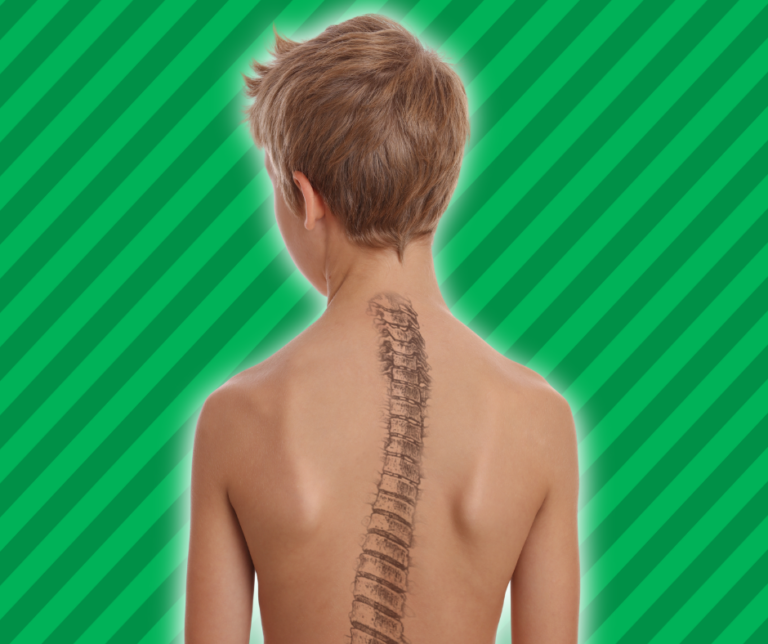
What to Expect in a Schroth Treatment Session for Scoliosis
The Schroth Method is a research-backed, proven treatment to help children, teens, and adults with scoliosis. Schroth Therapy…



Get in touch with Heather
Heather Winegard, M.S., CCC-SLP, is a certified speech-language pathologist who brings over 15 years of pediatric expertise to families at Chicago Pediatric Therapy & Wellness Center. Since joining the clinic in 2017, Heather has helped hundreds of children overcome communication barriers and feeding challenges, empowering them to express their needs, connect with others, and participate fully in daily life. Heather's educational journey began at Butler University, where she earned a Bachelor of Arts in Communication Sciences and Disorders in 2008. This undergraduate foundation sparked her passion for helping children develop the fundamental human skill of communication. She continued her training at Arizona State University, earning her Master of Science in Communication Sciences and Disorders in 2010, followed by successful completion of her Clinical Fellowship Year and ASHA certification. As a CCC-SLP (Certificate of Clinical Competence in Speech-Language Pathology), Heather has demonstrated advanced knowledge and adherence to the highest professional standards set by the American Speech-Language-Hearing Association. Her clinical practice addresses the full spectrum of pediatric communication needs, including expressive language development such as vocabulary expansion, grammar usage, and narrative skills; receptive language comprehension including following multi-step directions and understanding complex concepts; functional communication strategies for children with limited verbal abilities; articulation and phonological disorders affecting speech clarity; and feeding and swallowing disorders that impact oral motor skills and safe eating. Heather's therapy sessions are carefully individualized to match each child's developmental level, learning style, and family priorities. She collaborates closely with parents and caregivers, providing coaching and home practice activities that reinforce skills between sessions. Her ability to make therapy engaging and her commitment to celebrating every communication milestone—whether it's a first word, a clear sentence, or successful mealtime—reflect her deep understanding that communication is connection, and every child deserves to be heard.
Read Less →Does your child choke or gag during meals? Does he/she have difficulty eating any of the foods in a texture group or a nutrition group? The SOS Approach to Feeding is a developmental feeding therapy that allows a child to interact with and learn about foods in a playful, non-stressful way. It helps increase a child’s comfort level by exploring different properties of the foods, including the color, shape, texture, smell and taste.
The child is encouraged to progress up a series of steps to eating using “play with purpose” activities. Parent education and involvement are an essential part of this feeding program.
Eating is the most difficult sensory task that children can do. This article uses the SOS feeding approaches to give some tips on how parents can help with feeding at home.
The SOS protocol lists the six following steps to eating:
(What Textures Your Child Should be Eating and When)
Hard Munchables (8 months): hard textured food for exploring only– NOT CONSUMPTION (jicama, carrot stick, dried papaya, frozen pancake, sucker)
Meltable hard solids (9 months): well defined texture to the food on the exterior, but melts in the mouth in saliva only (without pressure applied) (cheetos, towne crackers, thawing pancake)
Soft cubes (10 months): Soft exterior but holds shape, needs only tongue/munching pressure to break it apart (avocado, gerber toddler cubes, banana)
Soft mechanical (11 months): soft exterior that holds a shape, needs munching/grind pressure to break apart (soft lunch meats, pastas, cooked eggs, white breads)
Mixed texture (12-14 months): more than 1 texture of above (macaroni and cheese, microwavable kids meals, fish sticks)
Hard mechanicals (16-18 months): harder textured exterior food that needs grinding/rotary chew to break apart; and/or foods that tend to shatter/scatter in the mouth (cheerios, saltines, fritos, steak)
You can model good feeding behaviors with your own eating patterns. You can also discuss the food by color/feature/taste/size (i.e., “The applesauce is cold!”). Feel free to make it fun—after all, you are working with kids! Try to structure your meal and snack times. Create a routine to meals and snacks (i.e., sit at table, eat, clean up). Try to not overwhelm your child and present only three foods at a time, making sure there is one highly preferred food at every meal.
Children are more encouraged to engage in an activity when the parent or caregiver gives them verbal praise. As a parent you can also reinforce siblings’ eating and talking about it with the child with feeding difficulties. Another method of reinforcement for a child is playing with his or her food! While at first, this may seem like an unnatural method to reinforce, let your child explore the food in order to make it more motivating.
For example, if your child is working on eating applesauce, use your finger to draw a picture or letter in it in order to make it more fun! You can also utilize your child’s level of cognitive functioning to help him or her understand the food and his or her own body (i.e., “The round grape goes in our mouth!”). And when in doubt, consult a feeding expert, such as a speech or occupational therapist, to help you with transitions or resistance that your child may have with attempting or touching new foods.
Take the first step towards supporting your child's development.
Rose McLean

 Cara Lucas
 Melina Segneri
Our expert team is here to help. Schedule a consultation today.