
What to Expect in a Schroth Treatment Session for Scoliosis
The Schroth Method is a research-backed, proven treatment to help children, teens, and adults with scoliosis. Schroth Therapy…


Get in touch with Jenna
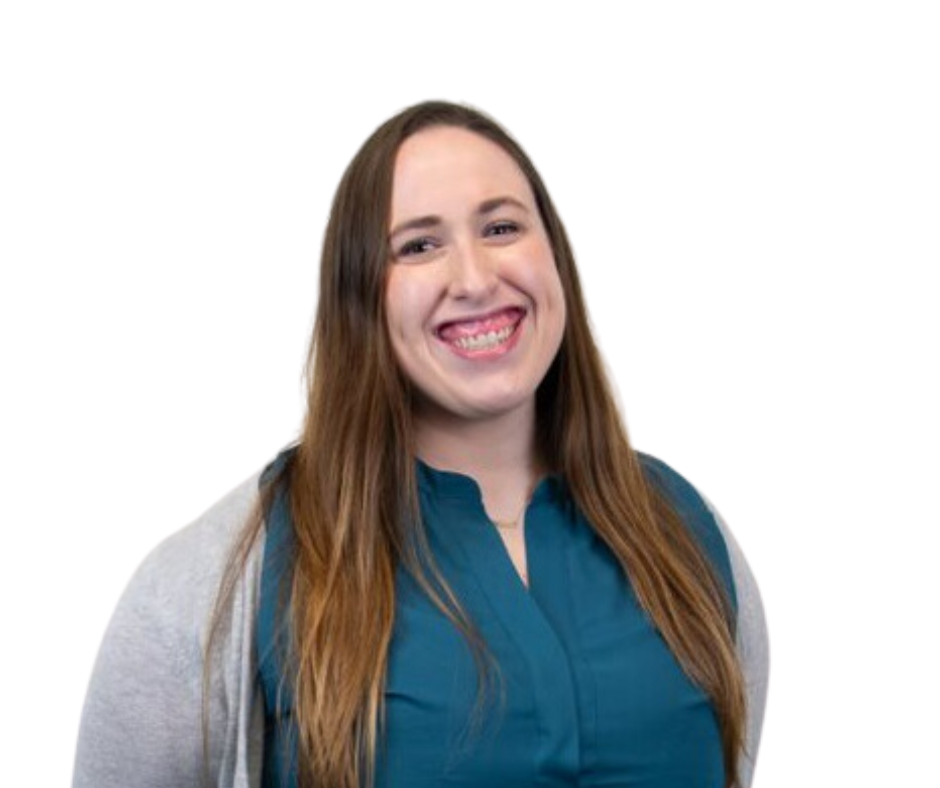
Jenna Hultgren, MA, BCBA, serves as Lead Board Certified Behavior Analyst at Chicago Pediatric Therapy & Wellness Center, where she combines over 17 years of applied behavior analysis experience with a genuine passion for early childhood development. Since beginning her ABA career in 2008, Jenna has dedicated herself to helping young children with developmental challenges build the skills they need to thrive in school and beyond. She joined Chicago Pediatric Therapy & Wellness Center in 2019 and has since become a cornerstone of the clinic's ABA program. Jenna's professional journey reflects her commitment to understanding child development from multiple angles. She earned a Bachelor of Science in Elementary and Mild Interventions Education from Indiana University Northwest in 2012, gaining classroom teaching experience and deep insight into educational systems, IEPs, and school readiness expectations. Recognizing her passion for working with children with autism and developmental disabilities, Jenna continued her training at Ball State University, earning a Master of Arts in Applied Behavior Analysis in 2015. She then completed her supervised fieldwork hours and successfully passed the BCBA certification examination. With 17 years of experience providing ABA services in both home and clinic settings, Jenna has worked with diverse families, varied living environments, and a wide range of developmental presentations. This breadth of experience has made her exceptionally skilled at individualizing interventions, adapting to family circumstances, and collaborating across contexts. In her Lead BCBA role, Jenna supervises fellow board certified behavior analysts, ensuring clinical quality and promoting professional development within the team. She works closely with all ABA staff to maintain the clinic's standards of high-quality, collaborative, and compassionate care. Jenna is particularly passionate about early intervention—she loves working with toddlers and preschoolers as they develop foundational communication, social, play, and self-regulation skills that set the stage for successful school entry. Jenna's collaborative philosophy is central to her practice. She believes effective ABA requires true partnership with parents, who know their children best; teachers, who support children in educational settings; and interdisciplinary providers including speech therapists, occupational therapists, and physical therapists. By working together, this team approach ensures children receive comprehensive, coordinated support that generalizes across all environments where they learn and grow.
Read Less →Important Note for Families: This information is for educational purposes only and does not constitute medical advice, diagnosis, or treatment recommendations. Generalization training should be designed and supervised by qualified Board Certified Behavior Analysts (BCBAs) as part of a comprehensive, individualized treatment plan. Every child’s developmental needs are unique, and therapy outcomes vary based on many factors. Always consult with qualified healthcare providers and BCBAs regarding your child’s specific care needs.
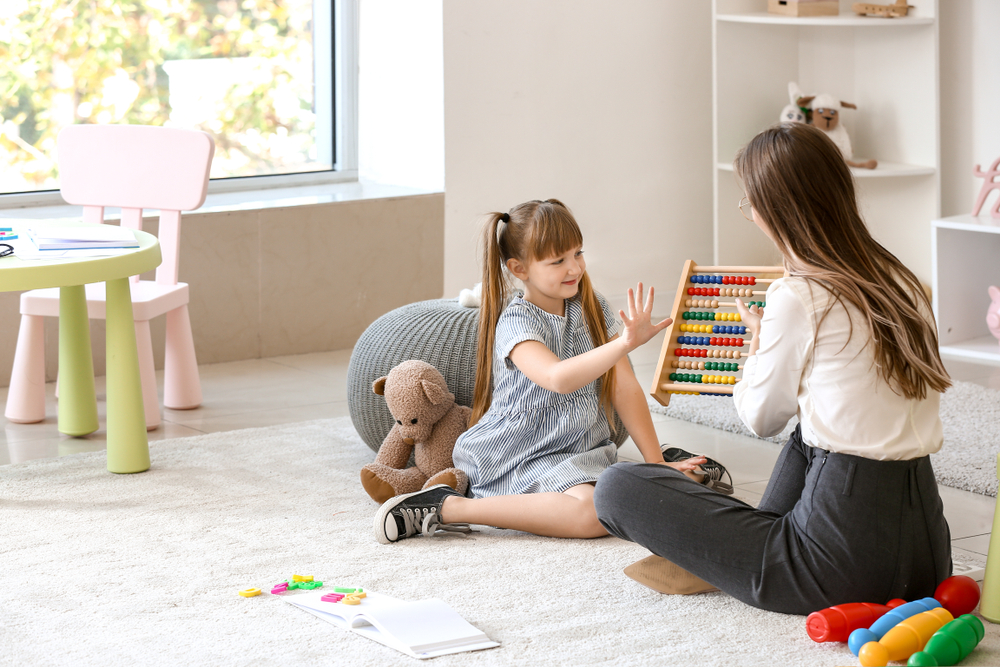
Many Lakeview parents see their children master skills in ABA therapy. Your child knows how to ask for a turn on the slide during therapy, but surrounded by peers, they may hesitate.
Lakeview ABA therapy for children with autism is only half the equation. Progress deepens when a child uses that skill, without prompts, in the real world. This process is called generalization, and it is how a therapy goal becomes lifelong progress.
We explore the essentials of generalization in ABA that Lakeview parents need to know in this guide. You will see concrete examples from our neighborhood so you can support your child in every environment.
Generalization in Applied Behavior Analysis (ABA) is the transfer of learned skills and responses from one stimulus or setting to another. There are two fundamental ways people generalize:
Children need to recognize when to use what they learned in therapy in the bigger world to thrive. This can look like knowing how to request snacks at home, or knowing greetings for new acquaintances. Generalization can also look like communicating in different forms, like saying “Thank you,” by nodding, giving a thumbs-up, or communicating on a new device.
The goal of a high-quality ABA program is to help children build independence so that skills no longer rely on constant adult prompting. Children can navigate daily life with greater independence across people and settings when they generalize well.
Therapy is most effective when a child can identify and safely use a skill in real-world settings. Certain skills can even have a direct impact on their safety. For example, recognizing a safety sign on a flashcard must translate to stopping at a busy intersection. Learning to recognize familiar, trusted adults versus unfamiliar people plays an important role in community safety, too.
Generalization grows as children develop, starting with simple actions like recognizing signs and the ability to handle abstract concepts. As children develop stronger generalization skills, they become better equipped to navigate social situations, remember and apply learned behaviors across contexts, and participate more fully in their communities.
Successful generalization opens doors. When children learn to apply skills across settings, many families see improvements in social communication, school participation, and safe community navigation.
Understanding the two types of generalization helps you see where your child is succeeding and where they need more support. Below are the different types of generalization in ABA, and examples that Lakeview families can look for in their daily routines.
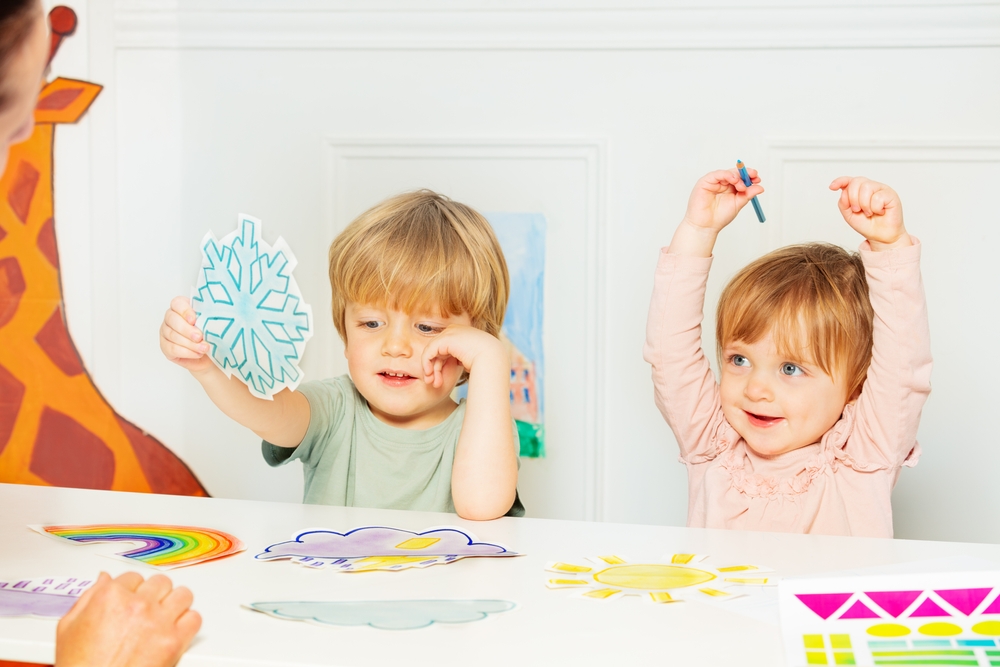
Stimulus generalization is a child’s ability to employ a learned skill across different environments, people, and situations beyond where it was first taught. Practising with varied examples or conditions can help children apply what they have learned to new situations because it encourages flexible understanding.
Here are some examples of stimulus generalization in ABA strategies across the four areas of Lakeview life:
| Domain | Strategy | How We Teach It | Success |
| Social | Generalization across people | We practice saying “hi” to a therapist in the clinic. | Greets neighbors on Lakeview streets, people at local coffee shops, and teachers at school. |
| Play & Social | Generalization across environments | We practice turn-taking with a therapist’s toys. | Uses turn-taking at Lakeview playgrounds, with siblings, and during school. |
| Safety | Generalization across the community | We practice stopping at curbs in a controlled setting. | Applies safety skills at busy intersections, in parking lots, and at school crossings. |
| Communication | Generalization across communication interactions | We practice how to ask a question by raising a hand first. | Raises a hand to ask questions to teachers at school. |
Some children with autism may initially connect new skills to very specific environmental cues, such as a particular chair or a familiar therapist’s voice. This is why ABA therapy intentionally varies settings, people, and materials from the beginning: to help children learn flexible application of skills rather than context-dependent responses.
While stimulus generalization focuses on where a skill is used, response generalization describes a child’s ability to use different, functionally equivalent behaviors to achieve the same goal.
Here are some response generalization examples from ABA therapy that Lakeview parents can look for:
| Domain | Strategy | How It Works | Success |
| Communication | Alternative Response Training | We teach multiple ways to make the same request for help. | The child uses a “help” card or taps a teacher’s shoulder to ask for what they need in a quiet space like the library. |
| Social | Response Variation Training | We teach multiple examples of how to initiate play. | The child joins a game at Waveland Park by bringing a ball, standing near peers, or verbally asking to join. |
| Emotional Regulation | Coping Strategy Variations | We teach sensory regulation, physical outlets, and behavioral coping strategies. | The child might listen to music, squeeze a stress ball, or take deep breaths when overwhelmed at a busy grocery store. |
| Safety | Functional Equivalence | We teach different ways to refuse unwanted interactions. | The child can say “stop,” put their hand up, or walk away if an unfamiliar person approaches them. |
Emotional regulation directly impacts a child’s ability to generalize skills. When a child is scared, overwhelmed, or emotionally dysregulated (meaning their nervous system is in a heightened state), it becomes much harder to apply learned behaviors in new situations.
To understand the difference, it helps to look at the relationship between what prompts a behavior and how a child responds.
Stimulus generalization occurs when a child encounters different but similar situations and uses the same skill in each one. For example, recognizing different types of fruit and knowing they are all foods meant to be eaten.
Response generalization works in the opposite direction. A child responds to the same situation using different, appropriate behaviors. For example, when eating fruit, a child might take a bite, use a fork, or peel the fruit first, depending on what works best at that moment.
In simple terms, one type of generalization expands where a child can use a skill, while the other expands how they can use it. We consider a skill fully generalized when your child can confidently and consistently apply it over months with minimal prompting. Skills maintenance helps abilities become a lasting part of daily life, rather than occurring only during structured practice.
At Chicago Pediatric Therapy & Wellness Center, we build ABA therapy plans around generalization for our kids in Lakeview. We begin by assessing where the child will need to use a skill at this age and how that will expand as they grow.
Say the goal is hand-washing. We plan for the clinic sink, the home bathroom, and the school restroom first. Your child establishes a consistent routine that can transfer to public restrooms over time.
A robust teaching strategy prepares a child for the variability of real-world environments. We build a flexible foundation that stands up to the unpredictability of the world by varying how, where, what, and with whom we teach. Here are several evidence-based strategies we use:
Parents provide consistency across therapy and daily routines. Your involvement provides a rare sense of continuity. We coach you to use the same prompts and teach you to do short checks in new settings to see if the skill has truly transferred.
Generalization thrives on consistency. It works best when you make errands into fun adventures and routines into opportunities for play. This turns the entire world into a learning playground for your child.
If your child shows strong skills in the clinic but struggles to use them elsewhere, this does not mean the skill is lost. It often means they have mastered the skill in a calm, structured environment, and now need support transferring to more complex, real-world settings.
Adding a playful, game-like structure to practices can support skills transfer in kids with ASD because it provides motivation and predictability when introducing new demands.
Parents may choose one skill their child has mastered in therapy, such as waiting, identifying colors, or asking for help, and look for opportunities to practice that skill in different places throughout the day. Here are ways you can support this process at home and in the community:
This approach works because it encourages flexible thinking rather than memorization. Children learn that skills are useful across environments and situations.
Challenges are common, even with thoughtful planning. These moments provide important information about where a child may need additional support. Here is how you may ease these challenges:
These challenges do not mean something is going wrong. They signal where strategies can be adjusted to better support learning.
Generalization is most effective when families, therapists, and schools work together. Sharing what works and what doesn’t helps therapy teams adjust goals and methods. If a strategy worked at a store but not at the playground, let your therapist know so you can adjust the plan together.
Your child learns faster when their home, therapy, and school all have the same expectations. We can work with you at Individualized Education Program meetings to align therapy goals across the school environment.
Cross-platform play makes out-of-office therapy a powerful way to bond with your child. You become a partner in play by turning every errand into a moment of connection, all while affirming that you are there for your child throughout the journey.
Generalization is one of the core components of effective ABA therapy. Long-term progress comes from helping children apply learned skills to build relationships, support safety, and develop greater independence in daily life.
At Chicago Pediatric Therapy & Wellness Center, we prioritize generalization from the very beginning of each treatment plan. Our ABA programs incorporate strategies such as Natural Environment Training and community-based instruction to help learning carry over beyond the clinic. Whether it is greeting a friend at a neighborhood playground or following safety rules on a busy street, our focus remains on helping them build confidence in real-world settings.
Ready to see your child’s skills carry over into everyday life? Contact us today to discuss a personalized ABA plan that includes generalization that supports Lakeview families.
Take the first step towards supporting your child's development.
Rose McLean
 Cara Lucas
 Melina Segneri
Our expert team is here to help. Schedule a consultation today.