Generalization in ABA Therapy: How Lakeview Kids Learn to Use New Skills in Real Life
Important Note for Families: This information is for educational purposes only and does not constitute medical advice, diagnosis,…
Get in touch with Heather
Heather Winegard, M.S., CCC-SLP, is a certified speech-language pathologist who brings over 15 years of pediatric expertise to families at Chicago Pediatric Therapy & Wellness Center. Since joining the clinic in 2017, Heather has helped hundreds of children overcome communication barriers and feeding challenges, empowering them to express their needs, connect with others, and participate fully in daily life. Heather's educational journey began at Butler University, where she earned a Bachelor of Arts in Communication Sciences and Disorders in 2008. This undergraduate foundation sparked her passion for helping children develop the fundamental human skill of communication. She continued her training at Arizona State University, earning her Master of Science in Communication Sciences and Disorders in 2010, followed by successful completion of her Clinical Fellowship Year and ASHA certification. As a CCC-SLP (Certificate of Clinical Competence in Speech-Language Pathology), Heather has demonstrated advanced knowledge and adherence to the highest professional standards set by the American Speech-Language-Hearing Association. Her clinical practice addresses the full spectrum of pediatric communication needs, including expressive language development such as vocabulary expansion, grammar usage, and narrative skills; receptive language comprehension including following multi-step directions and understanding complex concepts; functional communication strategies for children with limited verbal abilities; articulation and phonological disorders affecting speech clarity; and feeding and swallowing disorders that impact oral motor skills and safe eating. Heather's therapy sessions are carefully individualized to match each child's developmental level, learning style, and family priorities. She collaborates closely with parents and caregivers, providing coaching and home practice activities that reinforce skills between sessions. Her ability to make therapy engaging and her commitment to celebrating every communication milestone—whether it's a first word, a clear sentence, or successful mealtime—reflect her deep understanding that communication is connection, and every child deserves to be heard.
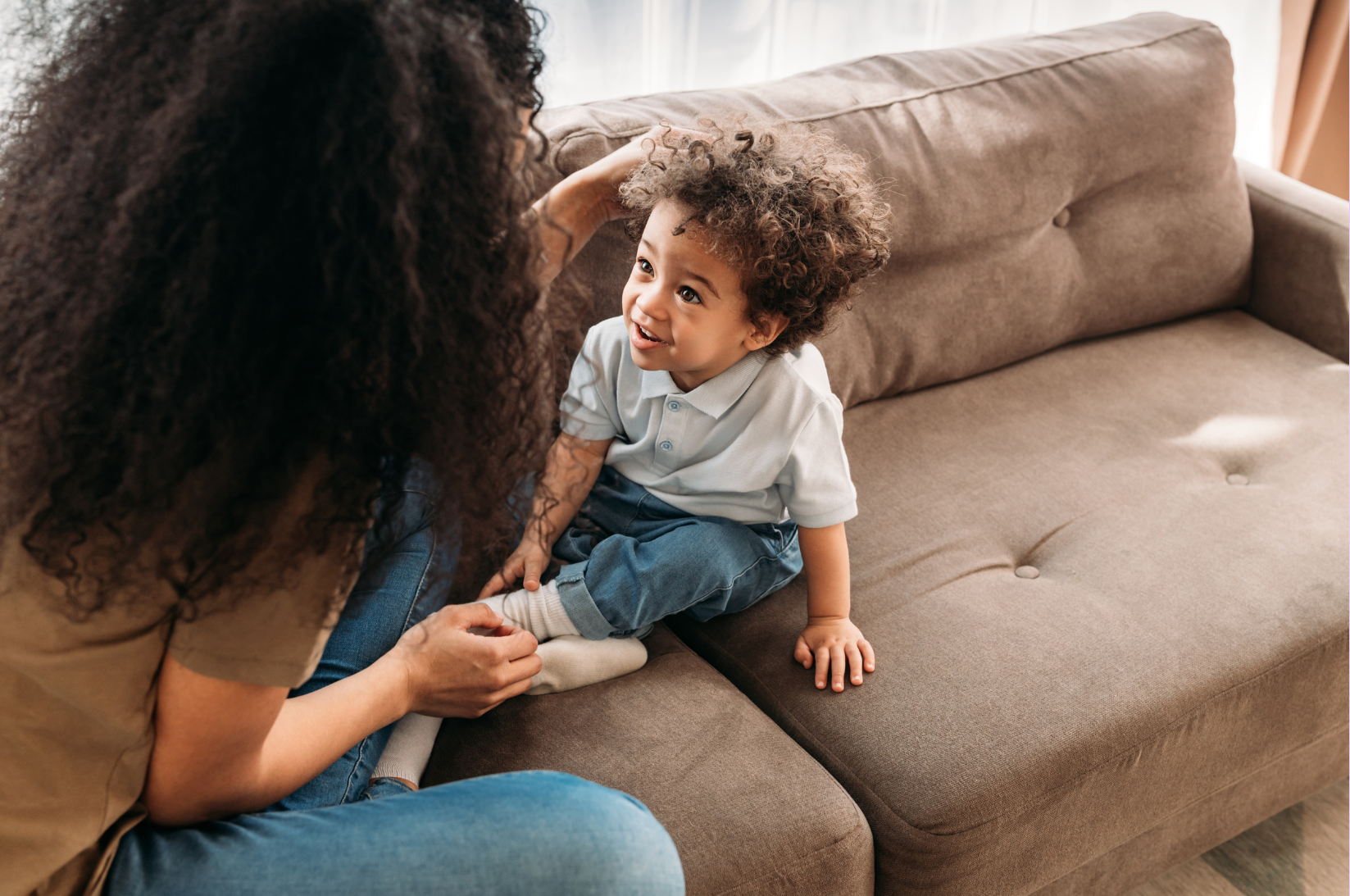
Read Less →It is an exciting time for a parent to hear their child say their first word, no matter when that happens! As a speech-language pathologist, we often have caregivers state that their young child uses words but that they are using the same word for so many different things. Something heard quite often is “He can say Dada, but he says it for everything, not just when referring to dad”. This is common amongst early language users and it’s known as overextension.
This is where core language comes into play and why it’s used as a focus during early language intervention. What is Core Language exactly? Core language is a term used to describe a variety of words/vocabulary that comprises more than 70-90% of the words that we use on a daily basis.
Core vocabulary is extremely powerful in the sense that it provides so much meaning across contexts. Examples of core language terms include but are not limited to: “go”, “want”, “up”, “I”, “you”, “see”, “my”, “help”, “do”, “more”, “no”, “yes”, “play”, “like”, “finished”, “what, “where”, “have”, “open”, “stop”, “get” , “down”, etc.
On the contrary, many of the words that children learn to use in their early stages of language development are considered to be “fringe” language or vocabulary. This term simply relates to a child’s specific likes, wants and needs. Fringe vocabulary is different from core vocabulary in that it does not provide much meaning and is very specific to the person using the term. Examples of fringe vocabulary include but are not limited to: “Elmo”, “bird”, “dinosaur”, “orange”, “Peter”, “rainbow”, “milk”, “cookie”, etc.
Let’s take a look at examples of how using fringe vocabulary can be very limiting. A child says “Elmo” across his day. What is his/her real implication of saying Elmo? Do they want to play with Elmo? Did they see Elmo on T.V? Are they asking where their toy Elmo is?
You can instantly notice the limitations of just saying the word “Elmo” for both this child and their caregivers. So, let’s add some core vocabulary around that word and see how it provides more meaning.

“I LIKE Elmo”, “Where’s Elmo”, “YOU HAVE Elmo?”, “ALL DONE Elmo”, “Elmo EAT”.
As you can see, core terms are very valuable for young children to learn in their early stages of language development. Although it is extremely important for children to know names of objects and people, providing them input to core language is just as equally, if not more important to your child’s overall language development!
If you are working with your child on early language development and continue to have questions or have concerns that you would like addressed, please reach out to our speech and language specialists. Our pediatric speech pathologists at Chicago Pediatric Therapy & Wellness Center are available to do a full assessment to help you and your family with this core language development! They can be reached today at 773-687-9241.

Take the first step towards supporting your child's development.
Jenna Hultgren

 Cara Lucas
 Nathalie Deutsch
Our expert team is here to help. Schedule a consultation today.