
Generalization in ABA Therapy: How Lakeview Kids Learn to Use New Skills in Real Life
Important Note for Families: This information is for educational purposes only and does not constitute medical advice, diagnosis,…


Get in touch with Rose
Rose McLean, PT, DPT, c/NDT, is co-owner and lead physical therapist at Chicago Pediatric Therapy & Wellness Center, where she has dedicated over 20 years to helping children with developmental challenges achieve their movement goals. Rose's specialized focus on pediatric physical therapy, combined with her commitment to multidisciplinary collaboration, has made her a trusted resource for families navigating motor delays, neurological conditions, and complex developmental needs throughout Chicago. Rose earned her Doctorate in Physical Therapy from Northwestern University in Chicago in 2004, where she received rigorous training in both pediatric and neurological rehabilitation. She began her clinical career at Cincinnati Children's Hospital, consistently ranked among America's top pediatric medical centers, where she gained invaluable experience treating children with diverse and medically complex conditions. This foundation shaped her evidence-based, child-centered approach to therapy. Beyond her doctoral training, Rose holds certification in Neurodevelopmental Treatment (NDT), a specialized intervention approach for children with cerebral palsy, neurological impairments, and other developmental disorders. She also maintains registration with Illinois' Early Intervention Program, allowing her to provide services to infants and toddlers (birth to age 3) in both home and clinic settings. Rose's therapeutic style is distinctively playful and highly individualized. She invests time in understanding each child's personality, interests, and motivators, then designs sessions that feel like play while targeting specific developmental goals. Whether working on strength, balance, coordination, or motor planning, Rose ensures therapy remains engaging and appropriately challenging. In 2014, Rose partnered with her husband Patrick to establish Chicago Pediatric Therapy & Wellness Center, driven by a vision that pediatric therapy should be comprehensive, collaborative, and convenient. She wanted to eliminate the fragmentation families often experience when their child needs multiple therapies—instead offering coordinated care where physical therapists, occupational therapists, speech-language pathologists, behavior analysts, and social workers communicate regularly about each child's progress. Rose also prioritized creating community spaces where families can connect and children can learn social skills alongside therapeutic development.
Read Less →With parks and playgrounds closed, a neighborhood walk has become a go-to activity for many families. Although it is always nice to get outside, the same walk time and time again can get a little stale. Here are five ways to make your next neighborhood walk action-packed!
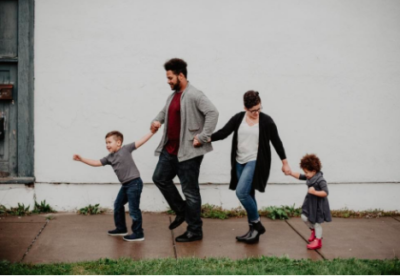
Who says walks are just for walking? Try different movements for each block. Some of our favorites are bunny hopping, running, walking backwards, hopping on one foot, and skipping! Let the whole family participate in the fun and take turns who gets to choose the movement activity for that block.
Keep the excitement in your daily walk by combining it with “Red Light, Green Light.” Not only will this keep your child engaged while using that extra energy, but the “red lights” will also give you some time to catch up!
We know that walking is great for our muscles and bones, but what about our minds? Add some learning to your walk by encouraging your child to identify items related to a theme. For example, if you are working on letters, have your child scope out objects which start with each letter of the alphabet. You can try this with numbers, colors, and shapes, too!
Those small cracks in the sidewalk can seem like pesky tripping hazards, but they can also serve as built in obstacle course challenges! Encourage your child to jump or step over each crack. See who can avoid the most cracks on each block! The winner gets a prize!
Technology, whether good or bad, is a part of everyday life nowadays. Let’s use it to our advantage to motivate movement! Track how many steps your family is taking each walk and log it. This can motivate your family to stay active; try to beat your daily or weekly records!
Hopefully this helped mix it up for you and your family! See you on the sidewalks…6 feet away, of course!
Take the first step towards supporting your child's development.
Jenna Hultgren

 Cara Lucas
 Nathalie Deutsch
Our expert team is here to help. Schedule a consultation today.