
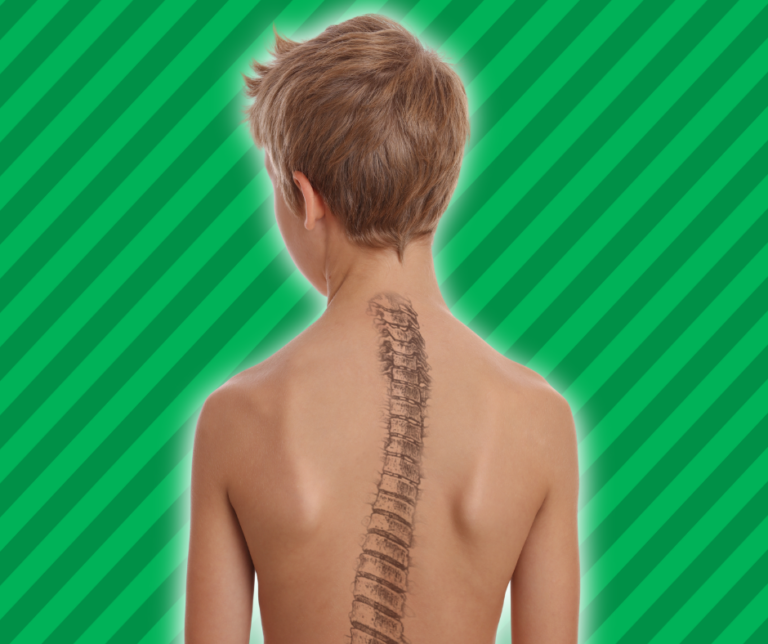
What to Expect in a Schroth Treatment Session for Scoliosis
The Schroth Method is a research-backed, proven treatment to help children, teens, and adults with scoliosis. Schroth Therapy…


Get in touch with Rose
Rose McLean, PT, DPT, c/NDT, is co-owner and lead physical therapist at Chicago Pediatric Therapy & Wellness Center, where she has dedicated over 20 years to helping children with developmental challenges achieve their movement goals. Rose's specialized focus on pediatric physical therapy, combined with her commitment to multidisciplinary collaboration, has made her a trusted resource for families navigating motor delays, neurological conditions, and complex developmental needs throughout Chicago. Rose earned her Doctorate in Physical Therapy from Northwestern University in Chicago in 2004, where she received rigorous training in both pediatric and neurological rehabilitation. She began her clinical career at Cincinnati Children's Hospital, consistently ranked among America's top pediatric medical centers, where she gained invaluable experience treating children with diverse and medically complex conditions. This foundation shaped her evidence-based, child-centered approach to therapy. Beyond her doctoral training, Rose holds certification in Neurodevelopmental Treatment (NDT), a specialized intervention approach for children with cerebral palsy, neurological impairments, and other developmental disorders. She also maintains registration with Illinois' Early Intervention Program, allowing her to provide services to infants and toddlers (birth to age 3) in both home and clinic settings. Rose's therapeutic style is distinctively playful and highly individualized. She invests time in understanding each child's personality, interests, and motivators, then designs sessions that feel like play while targeting specific developmental goals. Whether working on strength, balance, coordination, or motor planning, Rose ensures therapy remains engaging and appropriately challenging. In 2014, Rose partnered with her husband Patrick to establish Chicago Pediatric Therapy & Wellness Center, driven by a vision that pediatric therapy should be comprehensive, collaborative, and convenient. She wanted to eliminate the fragmentation families often experience when their child needs multiple therapies—instead offering coordinated care where physical therapists, occupational therapists, speech-language pathologists, behavior analysts, and social workers communicate regularly about each child's progress. Rose also prioritized creating community spaces where families can connect and children can learn social skills alongside therapeutic development.
Read Less →MY CHILD WONT EAT! Some tips/techniques to help!
No parent imagines that feeding their child is going to be a difficult task. I look back at my own childhood and thought about how much I loved to eat at a young age, and there was no food that I would refuse. However, after becoming a speech pathologist and working with kids of both sensory and behavior difficulties, I realized how many children are affected by feeding aversions. From the sensory approach where your child does not want to eat based on sensory needs, such as aversions to smell, touch, or taste – or behavioral, when your child refuses to eat the food JUST BECAUSE. No matter what the issue, it’s an issue, so let’s talk about a couple of suggestions or strategies that may help.
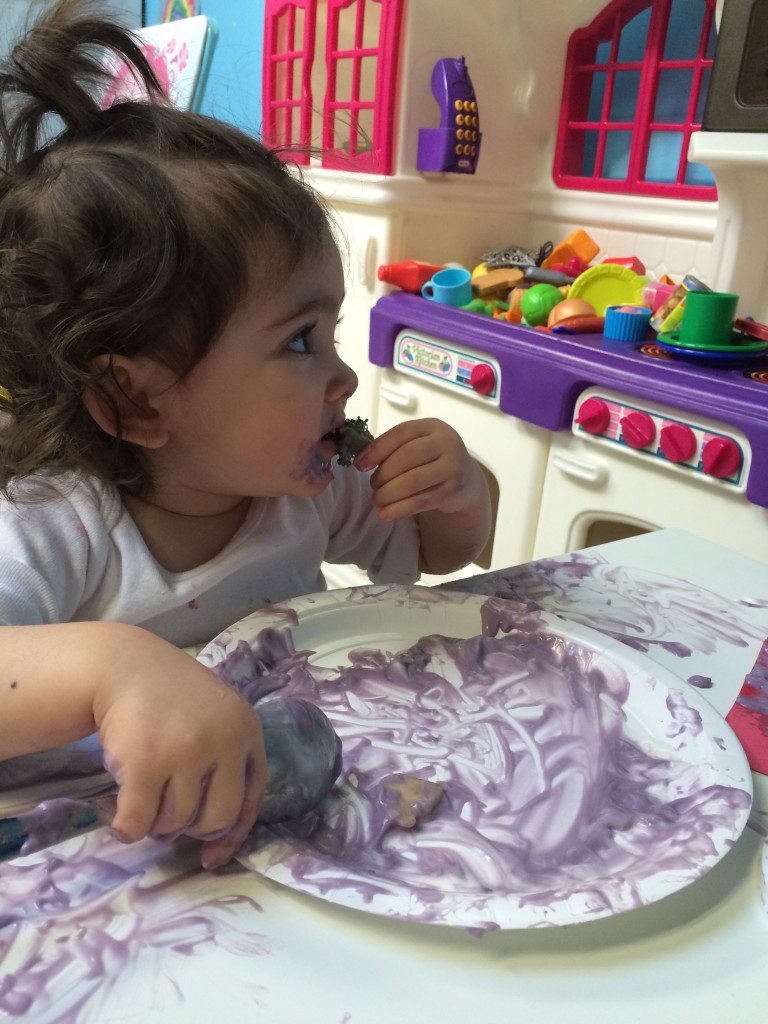
The child pictured below does NOT like broccoli in the least. Any attempts to feed her were met with spitting the broccoli out of her mouth and refusal. However, she would willingly touch the broccoli, so we used that as a starting point. We decided to have her engage in a messy food play activity in order make broccoli seem like it was “fun.” We made a picture using vegetables to stamp with paint (i.e., broccoli for trees, carrots for sun, mushrooms for flowers). Then we, made our own edible paint using vanilla yogurt and Koolaid. She mixed the yogurt and Koolaid together with her finger and used the broccoli to do more stamping. We alternated between her stamping and licking the yogurt off of the broccoli. Finally, I said “Time to take a bite!” And she did…not only one bite, but five little bites of broccoli without spitting it out. These pictures show her eating the broccoli and then her proud face after eating it. With patience, it is possible!


Information based on strategies behind the SOS (Sequential Oral Sensory) feeding protocol
Take the first step towards supporting your child's development.
Rose McLean
 Cara Lucas
 Melina Segneri
Our expert team is here to help. Schedule a consultation today.