
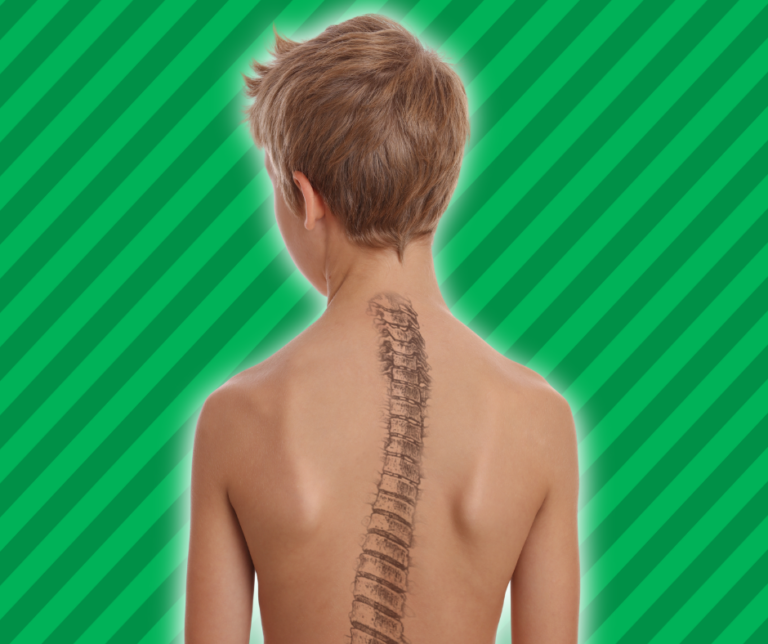
What to Expect in a Schroth Treatment Session for Scoliosis
The Schroth Method is a research-backed, proven treatment to help children, teens, and adults with scoliosis. Schroth Therapy…


Get in touch with Rose
Rose McLean, PT, DPT, c/NDT, is co-owner and lead physical therapist at Chicago Pediatric Therapy & Wellness Center, where she has dedicated over 20 years to helping children with developmental challenges achieve their movement goals. Rose's specialized focus on pediatric physical therapy, combined with her commitment to multidisciplinary collaboration, has made her a trusted resource for families navigating motor delays, neurological conditions, and complex developmental needs throughout Chicago. Rose earned her Doctorate in Physical Therapy from Northwestern University in Chicago in 2004, where she received rigorous training in both pediatric and neurological rehabilitation. She began her clinical career at Cincinnati Children's Hospital, consistently ranked among America's top pediatric medical centers, where she gained invaluable experience treating children with diverse and medically complex conditions. This foundation shaped her evidence-based, child-centered approach to therapy. Beyond her doctoral training, Rose holds certification in Neurodevelopmental Treatment (NDT), a specialized intervention approach for children with cerebral palsy, neurological impairments, and other developmental disorders. She also maintains registration with Illinois' Early Intervention Program, allowing her to provide services to infants and toddlers (birth to age 3) in both home and clinic settings. Rose's therapeutic style is distinctively playful and highly individualized. She invests time in understanding each child's personality, interests, and motivators, then designs sessions that feel like play while targeting specific developmental goals. Whether working on strength, balance, coordination, or motor planning, Rose ensures therapy remains engaging and appropriately challenging. In 2014, Rose partnered with her husband Patrick to establish Chicago Pediatric Therapy & Wellness Center, driven by a vision that pediatric therapy should be comprehensive, collaborative, and convenient. She wanted to eliminate the fragmentation families often experience when their child needs multiple therapies—instead offering coordinated care where physical therapists, occupational therapists, speech-language pathologists, behavior analysts, and social workers communicate regularly about each child's progress. Rose also prioritized creating community spaces where families can connect and children can learn social skills alongside therapeutic development.
Read Less →There are so many options for shoes for kids. From the day you bring them home from the hospital, you could have your child in light-up sneakers or bright and sparkly sandals. Though it’s exciting to find the cutest little shoes out there, deciding on appropriate footwear for your child is an important task! Shoes can help or hinder typical development, so follow these tips when choosing the best shoes to cover those little tootsies.
Proper footwear for children depends on their stage of development.
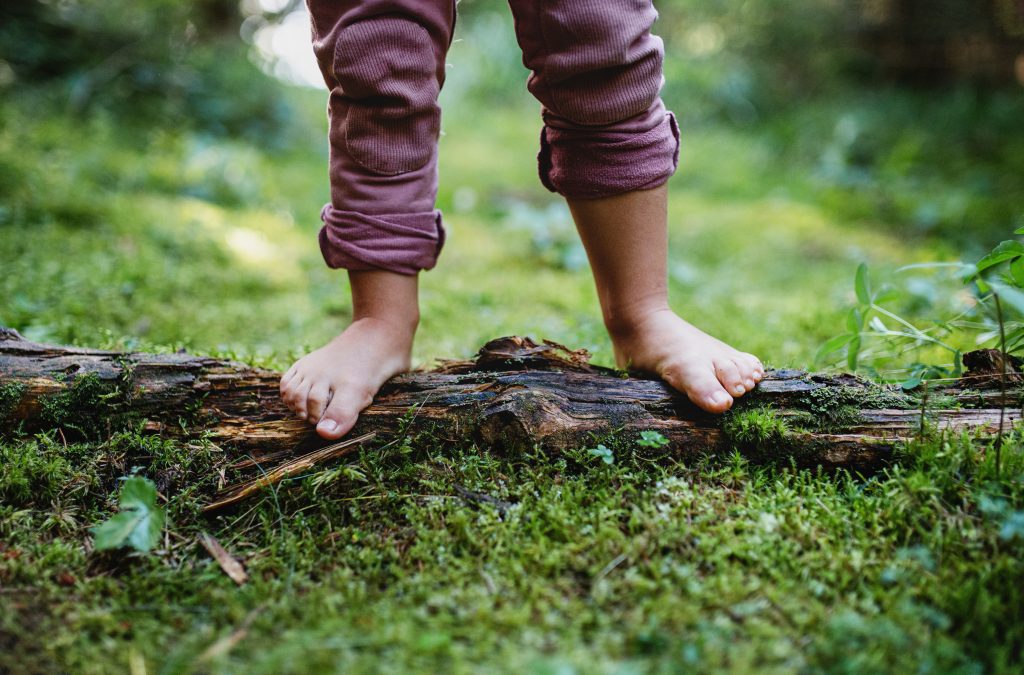
New walkers: Children who are crawling and beginning to stand, cruise along furniture and walk independently do not necessarily need to wear shoes when they are at home. Barefoot walking helps a new walker to develop the intrinsic muscles of their feet. These are the very small muscles that help a child to develop the arch on the inside of each foot. Staying barefoot also gives proprioceptive input to the child. Proprioceptive input is the message we get from our feet to our brains to let us know where our body is in space. This is necessary when a little guy or gal is learning to stand on their own! When a new walker is outdoors, they should wear a shoe with a flexible sole and supportive heel area. This will allow the child to have their feet protected without over-supporting the foot. Look for a little more support than a cloth shoe, but not as much support as a toddler gym shoe.
The exception to this rule would be if a child exhibits excessive flattening of the arches of their feet, decreased flexibility in the muscles surrounding their ankles or instability and hypermobility of the ankle joint. Flat feet in the new walker is developmentally appropriate, but excessive flattening can cause the ligaments to become over-stretched and the bones of the foot to grow in poor alignment. In those cases, your physical therapist may recommended having your child wear an orthotic or a specific shoe to prevent further misalignment.
Confident Walkers: Now that you have exploring, roaming, confident walker on your hands, their footwear needs will change. Indoors, unless orthopedic or neuromotor diagnosis calls for otherwise, a confident walker can be barefoot. They still benefit from the strengthening of the small muscles in their feet and the consistent proprioceptive input will help them to perform higher level balance skills, like standing on one leg. Outdoors, where your child is climbing on playground equipment and running down the street, choose a shoe with a semi-flexible sole and supportive heel area.
If your child uses an orthotic to assist in keeping their foot, ankle, knee and hip in proper alignment, finding an adorable shoe to fit over the orthotic can be a whole other challenge. Whether your child uses an AFO or in-shoe orthotic, a standard gym shoe may not fit comfortably. In this case, you don’t just want to get a shoe that is several sizes larger. This will give you extra width, but the shoe will also be a lot longer. A shoe that is too long may cause your child to drag their toe or trip more often. Instead, first start with a wide shoe about one size larger than their barefoot size. If your child is in an orthotic, you do not need a shoe that advertises additional arch support, because the orthotic has already added the needed support. If you are still having trouble accommodating an orthotic in a shoe, try these websites. They market shoes specifically to accommodate orthotics, so you may find the perfect match here!
Take the first step towards supporting your child's development.
Rose McLean
 Cara Lucas
 Melina Segneri
Our expert team is here to help. Schedule a consultation today.