
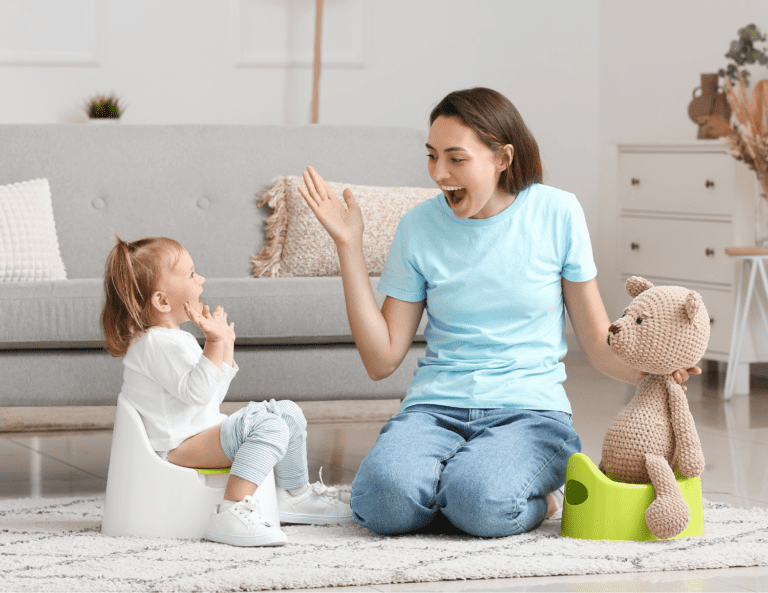
How Can OT Help My Child With Toilet Training?
Toilet training is a significant milestone in every child’s development, but for some, it can come with unique…


Get in touch with Kirsten
Kirsten Amundson, MOT, OTR/L, is a licensed pediatric occupational therapist who has distinguished herself as a specialist in pediatric pelvic floor therapy—an emerging and essential area of pediatric rehabilitation. Since joining Chicago Pediatric Therapy & Wellness Center in 2021, Kirsten has helped families navigate challenges that many parents struggle to discuss, bringing clinical expertise and compassionate support to issues including toileting difficulties, bedwetting, constipation, bowel and bladder control, and sensory-related pelvic concerns. Kirsten's academic foundation was built at Saint Louis University, where she completed her Bachelor's degree in 2018 and immediately continued into their Master of Occupational Therapy program, graduating in 2019. This comprehensive educational pathway provided her with strong clinical reasoning skills and a pediatric-focused lens from the start of her career. In her clinical practice, Kirsten takes a holistic, play-based approach to therapy. Children in her sessions engage with age-appropriate tools and activities—using crayons, manipulating utensils, building with blocks, navigating obstacle courses—all while working toward functional goals that improve independence and quality of life. Kirsten's treatment plans are highly individualized, reflecting each child's unique needs, developmental level, sensory preferences, and family circumstances. Her specialized focus on pediatric pelvic floor therapy sets her apart in the field. Many families don't realize occupational therapists can address toileting challenges, and Kirsten's expertise fills a critical gap. She helps children develop body awareness, establish healthy bathroom routines, manage sensory sensitivities related to toileting, and overcome physical or behavioral barriers to continence. Her approach empowers rather than shames, recognizing that these challenges significantly impact children's confidence and social participation. Beyond direct patient care, Kirsten serves as co-leader of the occupational therapy team alongside Joanna Pasheluk. In this leadership capacity, she mentors newer therapists, facilitates case discussions, ensures evidence-based practice standards, and promotes seamless collaboration with physical therapists, speech-language pathologists, and behavior analysts. Kirsten's commitment to involving parents throughout the therapeutic process ensures skills generalize across all the environments where children function.
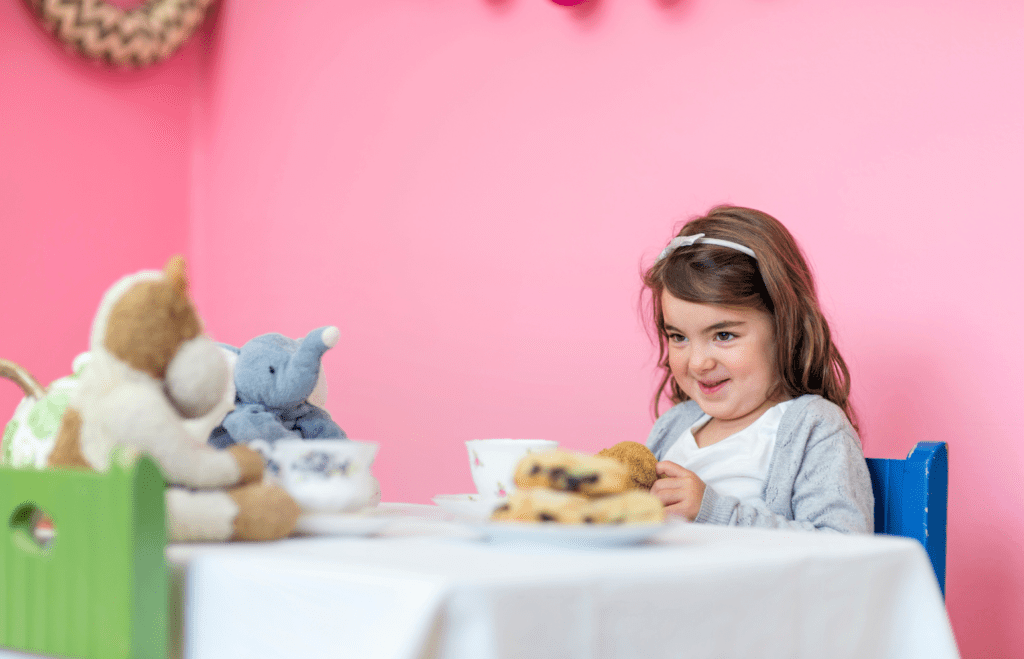
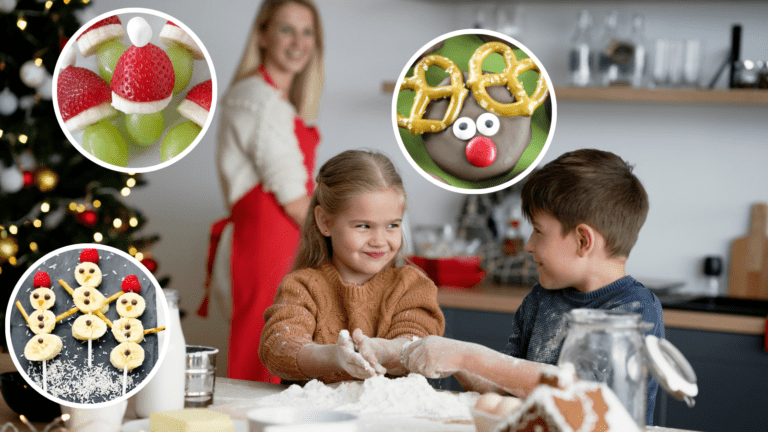
Read Less →We have all been told “don’t play with your food” at one point in our life. By now we have probably said it a couple times to our own kids even! However, food play is actually a wonderful way to introduce a picky eater to new foods, decrease sensory sensitivities, and create a fun and positive association with mealtimes! Where do you start with appropriate food play? Well our Occupational Therapy team is here to show you the way! Actually they are here to show 8 ways to play! Scroll down and check out our8 OT Ideas for Food Play!


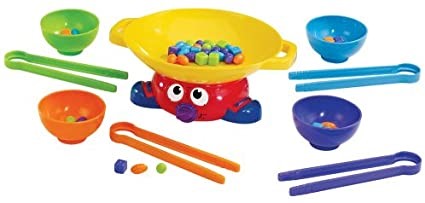
If touch is your biggest problem at the dinner table, provide your child with a paintbrush, spoon, tongs, or other utensil. Make sure to avoid forcing your child to interact with foods! If your child continues to struggle with feeding skills, such as picky eating, chewing, managing liquids, or any other mealtime-related skills, Contact Chicago Pediatric Therapy & Wellness Center at 773-687-9241 to set up an evaluation with one of our feeding specialists.
Take the first step towards supporting your child's development.
Kirsten Amundson
 Joanna Pasheluk
 Patrick McLean
Owner
Patrick McLean
Owner
Our expert team is here to help. Schedule a consultation today.